



Very Early Smoke Detection Apparatus : Revolutionizing MEP Construction and Engineering
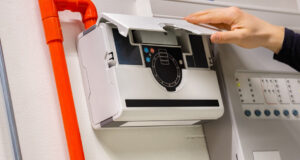
Modern buildings need effective fire detection systems to protect lives and property. The Very Early Smoke Detection Apparatus (VESDA) is one of the most sophisticated technologies used in this regard. These systems detect smoke at an early stage before it becomes visible. They provide a quick response and reduce damage. Engineers increasingly integrate VESDA systems into MEP construction and services to improve building security.
Knowing VESDA in MEP Services
VESDA systems continuously collect air samples from different building areas. A pipe network transfers the air to the detection device. Traditional smoke detectors react after smoke reaches a certain level. VESDA detects ultra-fine smoke particles at an earlier stage.
VESDA is very applicable to MEP design, as it must be intentionally located within building systems. MEP engineers plan VESDA integration carefully. This reduces structural disruption and improves coverage in sensitive areas like server rooms and laboratories.
Importance of VESDA in MEP Construction
In MEP construction, fire systems are an important part of building design and operation. VESDA offers a number of benefits:
Early Detection : Identifies smoke at a very early stage, enabling early firefighting and evacuation.
Continuous Monitoring : Operates 24/7 to provide continuous air sampling, enhancing reliability in high-risk zones.
Integration with MEP Systems : Engineers can integrate VESDA with HVAC systems, electrical boards, and fire suppression units in MEP engineering.
Lower False Alarms : Sophisticated filtration and sensitivity controls reduce false alarms, which is imperative in facilities with unbroken operations.
How VESDA Complements Mechanical, Electrical & Plumbing Systems
VESDA integration requires teamwork between mechanical, electrical, and plumbing engineers.
Mechanical : Providing airflow from ducting systems to the smoke detection units without compromising HVAC efficiency.
Electrical : Ensuring stable power supplies and combining alarms and notification panels.
Plumbing : Creating conduit and pipe routes that don’t disrupt water and sewage systems while serving detection piping.
VESDA integration helps architects and engineers create efficient life safety systems. These systems follow global fire safety standards.
Applications of VESDA in Contemporary MEP Engineering
VESDA systems are not limited to high-rise buildings. Many industries now use them where early smoke detection is important.
Commercial Complexes : Offices, shopping centers, and hotels.
Industrial Sites : Manufacturing plants, warehouses, and chemical facilities.
Data Centers : Safeguarding invaluable IT infrastructure.
Healthcare Facilities : Hospitals and laboratories where lives can be saved by early smoke detection.
Conclusion
The Very Early Smoke Detection Apparatus (VESDA) is a step ahead of traditional fire safety, especially in MEP construction and MEP services. Engineers use VESDA in MEP systems to create buildings that are strong and safe. In MEP civil engineering, the implementation of such advanced systems guarantees active risk management, enhanced safety, and adherence to contemporary engineering practices.
Including VESDA in your building’s design is no longer a nicety—it is a necessary part of smart, robust, and secure MEP engineering.
