



What is Green Building Design and How Does MEP Support It?
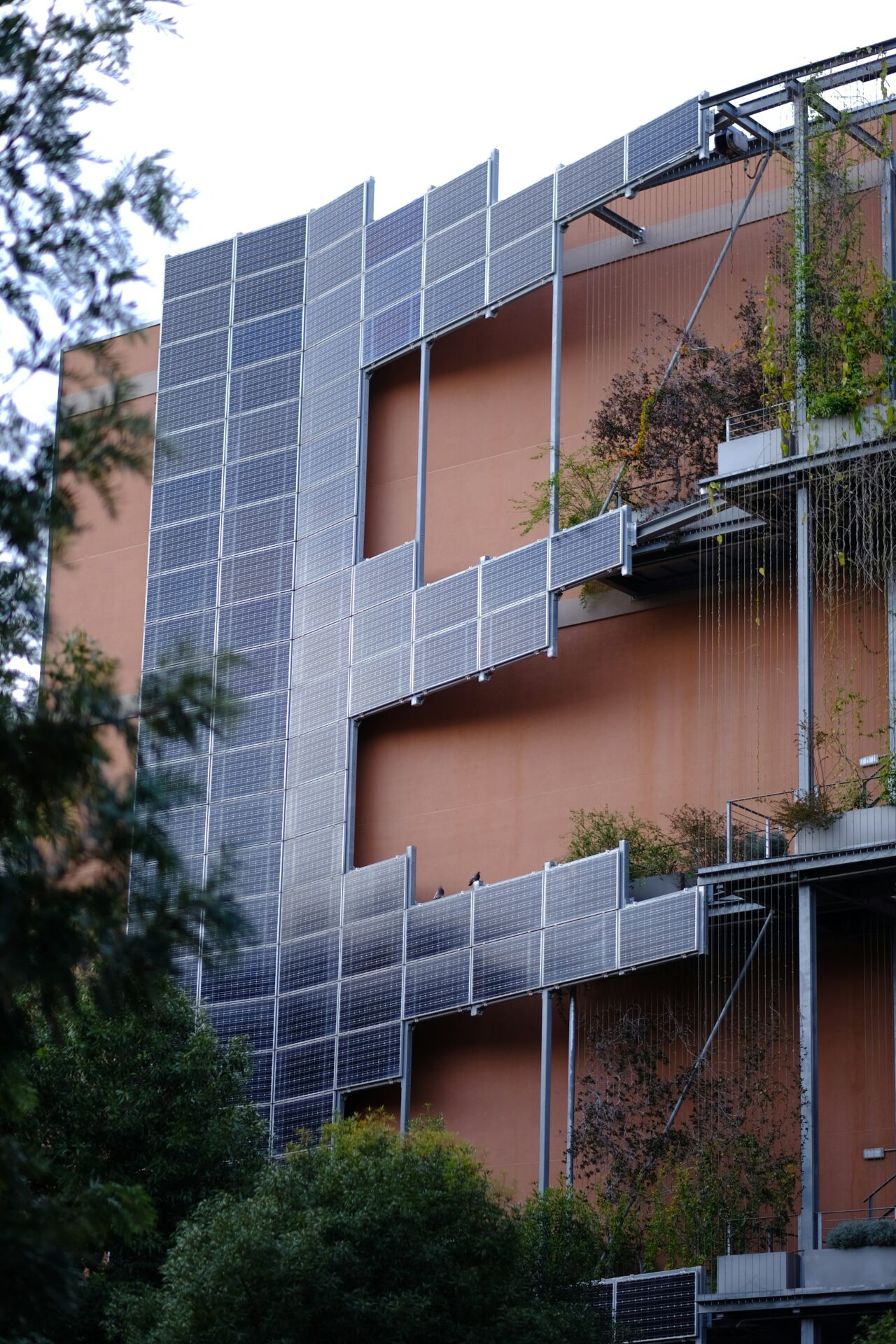
Green Building Design is an approach to planning, constructing, and operating buildings in a way that reduces environmental impact while improving energy efficiency, resource conservation, occupant comfort, and long-term performance. As concerns about energy consumption, climate change, water usage, and operating costs continue to grow, sustainable building practices have become increasingly important for modern construction projects.
Mechanical, Electrical, and Plumbing (MEP) systems play a major role in achieving the objectives of green building design. HVAC systems, electrical installations, lighting, water supply, drainage, and building automation can have a significant impact on how much energy and water a building consumes throughout its lifecycle.
By carefully designing and coordinating these systems, MEP engineers can help buildings consume fewer resources while maintaining comfortable and healthy indoor environments. From energy-efficient HVAC equipment and LED lighting to water-saving plumbing fixtures and smart building controls, MEP solutions provide the technical foundation required to create more sustainable buildings.
This article explains what green building design means and explores how modern MEP engineering supports energy efficiency, water conservation, indoor environmental quality, and sustainable building performance.
Understanding Green Building Design
What Is Green Building Design?
Green building design focuses on reducing the environmental impact of a building throughout its lifecycle. It considers how a building is designed, constructed, operated, maintained, and eventually renovated or demolished.
Rather than focusing only on the appearance or initial construction cost of a building, green design considers long-term energy consumption, water usage, material selection, indoor air quality, waste management, and operational efficiency. The objective is to create buildings that use resources responsibly while providing safe and comfortable spaces for occupants.
Why Green Building Design Is Important
Buildings consume significant amounts of energy and water during their operation. Air conditioning, lighting, heating, ventilation, water heating, pumps, and other building services can contribute substantially to operating costs and environmental impact.
Green building design helps address these challenges by improving the efficiency of building systems. Reducing unnecessary energy and water consumption can lower operating expenses while helping organizations achieve their sustainability objectives.
Key Principles of Green Building Design
Green buildings generally focus on several important principles, including energy efficiency, water conservation, responsible material selection, waste reduction, indoor environmental quality, and efficient building operation.
These principles need to be considered from the earliest stages of a project. Architects, structural engineers, MEP consultants, contractors, and building owners must work together to develop solutions that balance sustainability with performance, safety, and cost.
Green Building Design and Energy Efficiency
Energy efficiency is one of the most important elements of sustainable construction. A building that requires less energy to provide lighting, cooling, heating, ventilation, and other services can reduce both operating costs and environmental impact.
MEP engineers contribute to energy efficiency by selecting suitable equipment, designing efficient distribution systems, and implementing controls that prevent energy from being wasted when spaces or equipment are not in use.
Role of MEP Engineering in Green Building Design
MEP engineers translate sustainability objectives into practical building systems. They analyse the building’s requirements and develop mechanical, electrical, plumbing, and automation solutions that support efficient operation.
Their decisions regarding HVAC equipment, lighting, electrical distribution, water systems, controls, and monitoring can have a significant impact on the building’s long-term performance.
How MEP Systems Support Green Building Design
Energy-Efficient HVAC for Green Building Design
HVAC systems are often among the largest energy consumers in commercial buildings. Efficient heating, ventilation, and air-conditioning systems can therefore make a significant difference to overall building performance.
MEP engineers can select appropriately sized HVAC equipment, improve ventilation strategies, use efficient pumps and fans, and implement temperature controls to reduce unnecessary energy consumption. For additional guidance on energy-efficient building practices, refer to the U.S. Department of Energy.
Efficient Electrical and Lighting Systems
Electrical design is another important component of sustainable building performance. Efficient lighting technologies, properly designed electrical distribution, and intelligent controls can reduce unnecessary electricity consumption.
LED lighting is commonly used because it provides efficient illumination while generally requiring less energy than traditional lighting technologies. Occupancy sensors, daylight controls, and automated scheduling can further reduce energy consumption by operating lights only when they are needed.
Water-Efficient Plumbing for Green Building Design
Green building design is not limited to reducing electricity consumption. Water conservation is also an important sustainability objective.
MEP engineers can incorporate low-flow fixtures, efficient water distribution systems, rainwater harvesting solutions, water-efficient pumps, and suitable wastewater management systems. These approaches can reduce unnecessary water consumption while maintaining reliable water supply and sanitation.
Building Automation for Green Building Design
Building Automation Systems (BAS) can help buildings operate more efficiently by monitoring and controlling different MEP systems. You can learn more about [Building Automation Systems in MEP] and how they improve building efficiency.
This type of automation helps reduce unnecessary energy consumption while allowing facility managers to monitor building performance and identify potential operational problems.
Energy Monitoring and Performance Management
Efficient equipment alone does not guarantee sustainable building performance. Building owners need to understand how much energy their systems are actually consuming.
Energy meters, sensors, monitoring platforms, and building automation systems can provide valuable information about electricity consumption and equipment performance. Facility managers can use this information to identify inefficient operations and make informed decisions about maintenance and upgrades.
Long-Term Benefits of Green Building Design and MEP
Reduced Energy Consumption and Operating Costs
One of the most direct benefits of combining green building design with efficient MEP systems is lower energy consumption. Efficient HVAC equipment, lighting systems, electrical distribution, and automated controls can reduce unnecessary energy usage.
Lower energy consumption can result in reduced utility expenses over the building’s operational life, making sustainable design financially beneficial as well as environmentally responsible.
Improved Indoor Environmental Quality
A sustainable building should not only consume fewer resources but should also provide a healthy and comfortable environment for its occupants.
Proper HVAC design and ventilation help maintain indoor air quality, temperature, and humidity. Effective lighting design can improve visual comfort, while suitable plumbing systems support hygiene and sanitation.
Reduced Water Consumption
Efficient plumbing systems can significantly reduce water wastage. Water-efficient fixtures, leak detection, rainwater harvesting, and appropriate water management strategies help buildings use water more responsibly.
Reducing water consumption can also lower the energy required for water treatment, pumping, and heating, creating additional efficiency benefits.
Lower Environmental Impact
Green buildings aim to reduce their overall environmental footprint. Efficient MEP systems contribute by reducing energy consumption, minimizing water waste, and improving the efficiency of building operations.
When these measures are combined with responsible material selection, waste management, and sustainable construction practices, they can contribute to significantly better environmental performance.
Increased Long-Term Building Value
Sustainable buildings can provide long-term value to owners, occupants, and businesses. Lower operating costs, better indoor environments, improved resource efficiency, and modern building systems can make properties more attractive to tenants and investors.
Well-designed MEP systems also make future upgrades and maintenance easier, helping buildings remain efficient as technology and operational requirements change.
The Future of Green Building Design and MEP Engineering
Integration of Renewable Energy
Renewable energy technologies are becoming increasingly important in sustainable building design. Solar photovoltaic systems, for example, can generate electricity on-site and reduce dependence on conventional energy sources.
MEP engineers play an important role in integrating renewable energy systems with the building’s electrical infrastructure while ensuring safe and efficient power distribution.
Smart Buildings, IoT and Green Building Design
The combination of MEP engineering, Building Automation Systems, and Internet of Things (IoT) technology is creating increasingly intelligent buildings.
Sensors can collect information about temperature, occupancy, air quality, energy consumption, and equipment performance. This data can then be used to optimize building operations and reduce resource consumption.
BIM for Sustainable MEP Design
Building Information Modeling (BIM) provides engineers with a digital environment for designing and coordinating MEP systems before construction begins.
BIM can help project teams identify clashes, coordinate equipment locations, analyse building systems, and improve construction planning. When combined with sustainable design objectives, BIM can support more efficient and better-coordinated MEP solutions.
Data-Driven Building Performance
Modern buildings are increasingly using real-time data to understand how their systems operate. Energy meters, sensors, automation platforms, and monitoring systems can provide information about electricity, water, HVAC performance, and occupancy.
This data allows facility managers to identify inefficiencies and make improvements based on actual building performance rather than assumptions.
Green Building Design and Net-Zero Buildings
The future of sustainable construction is increasingly focused on reducing building energy consumption and balancing remaining energy requirements through renewable sources and other strategies.
MEP engineering will remain central to this transition because HVAC, electrical, plumbing, lighting, automation, and energy systems all influence the building’s overall environmental performance.
Conclusion
Green building design is becoming an essential part of modern construction as building owners and developers look for ways to reduce operating costs, conserve resources, and create healthier environments for occupants. However, achieving sustainable building performance requires more than architectural design alone.
MEP engineering provides the technical foundation for many of the systems that determine how efficiently a building operates. Energy-efficient HVAC systems, efficient lighting, water-saving plumbing solutions, building automation, energy monitoring, and renewable energy integration can all contribute to more sustainable building performance.
As technologies such as BIM, IoT, smart building controls, and renewable energy continue to develop, the connection between green building design and MEP engineering will become even stronger. By integrating sustainability into MEP planning from the beginning of a project, building owners can create facilities that are more efficient, comfortable, environmentally responsible, and prepared for the future.
